





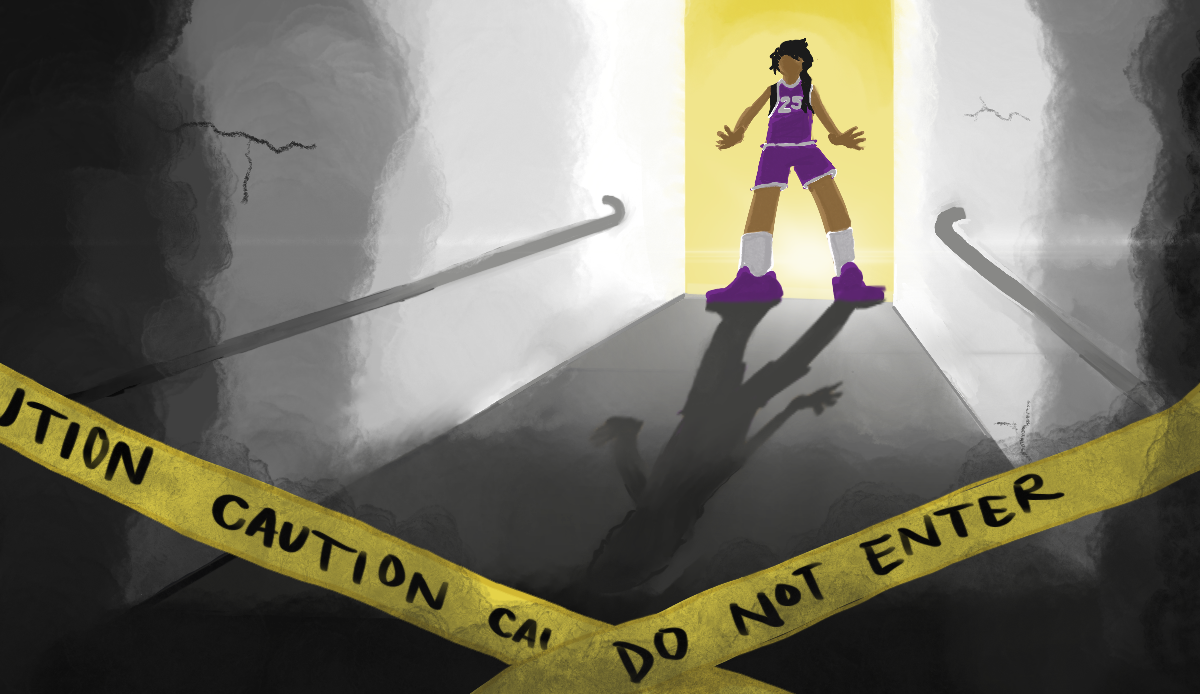



In the months since the tragic shooting death of John Beam at Laney College, The Citizen has been following developments, including hearings for the case, closely. The public defender representing the suspect in custody previously objected to the presence of media photographers, citing the possibility this could “taint” a potential jury. These objections were overturned at the discretion of the presiding judge, who stated that the “public has a right” to see images of the defendant. Then in January, the court suspended proceedings in the case pending a mental competency evaluation of the defendant.
Throughout the delays and uncertainty, our student reporters have played a huge role by continuing to track developments and contextualize these hearings while gathering a background on how these proceedings may go.
For Laney students and staff following the case, the pause stalls potential answers about campus safety and the school’s response to the shooting. Recently, a Citizen investigation found that students and employees at Laney received emergency alerts over 20 minutes after the Nov. 13 shooting occurred. Peralta administrators still have not agreed to an interview with The Citizen about what happened that day.
Being a new student journalist at The Citizen means picking up where the last semester left off while persisting through my own lack of institutional clarity. Yet the challenges only motivate me to continue on this path.
I am dedicated to journalism because I want to make sure my community is educated on the issues that impact them most, and that they have a voice in the dialogue. I believe in the power that we have as a newsroom to inform the student body on everything that matters to them. The responsibility that we carry as journalists drives me to cover the next story.
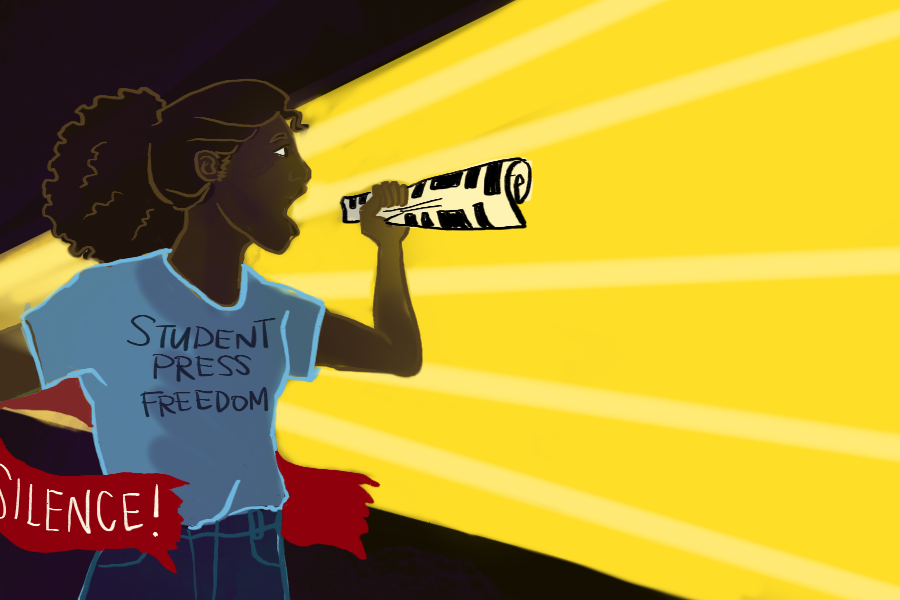
Student journalists are the watchdogs of our colleges. When news breaks, classes continue and campus life moves on, but we never stop pursuing the truth because student reporters are often the only record of what really happens at our colleges.
As the only student-run news publication in our district, our access and expertise on our campuses place us in a unique position to inform the community and scrutinize decisions that affect students. But if we aren’t protected and supported, then our community risks losing a critical component of free speech right here on our campus.
I am much less interested in keeping people comfortable than in getting the story right. Even with a growing lack of transparency, from the local to the national level, I will keep digging.
The transparency students seek often won’t directly benefit us while we are here. As staff rotates out, experience walks out with it. We will graduate and move on, but they will shape the campus the next generation inherits. We are temporary and that’s the point. We don’t have long term allegiances or titles to protect. Temporary does not mean powerless, it means free.
As my peers and I learn in real time, the standards we hold only rise and the reporting must hold up.
Temporary does not mean careless – it means the work must outlast us.
If colleges want safer, more accountable campuses, they should treat student journalism like essential infrastructure. Our role is critical in sustaining an informed campus community. In an emergency, the campus turns to student reporters to check the actions of those in power. The writers change, but the accountability we build should last much longer.